Al Mairaj Dental & Cosmetics (AMDC)DHA Phase 3, Lahore30% OFF with BOP Cards25% OFF with JS Bank Cards25% OFF with Bank AL Habib Cards
Root canal treatment · DHA Phase 3, Lahore
Root Canal Treatment in Lahore | Tooth Pain & Infection
Before treatment is plannedDiagnosis first
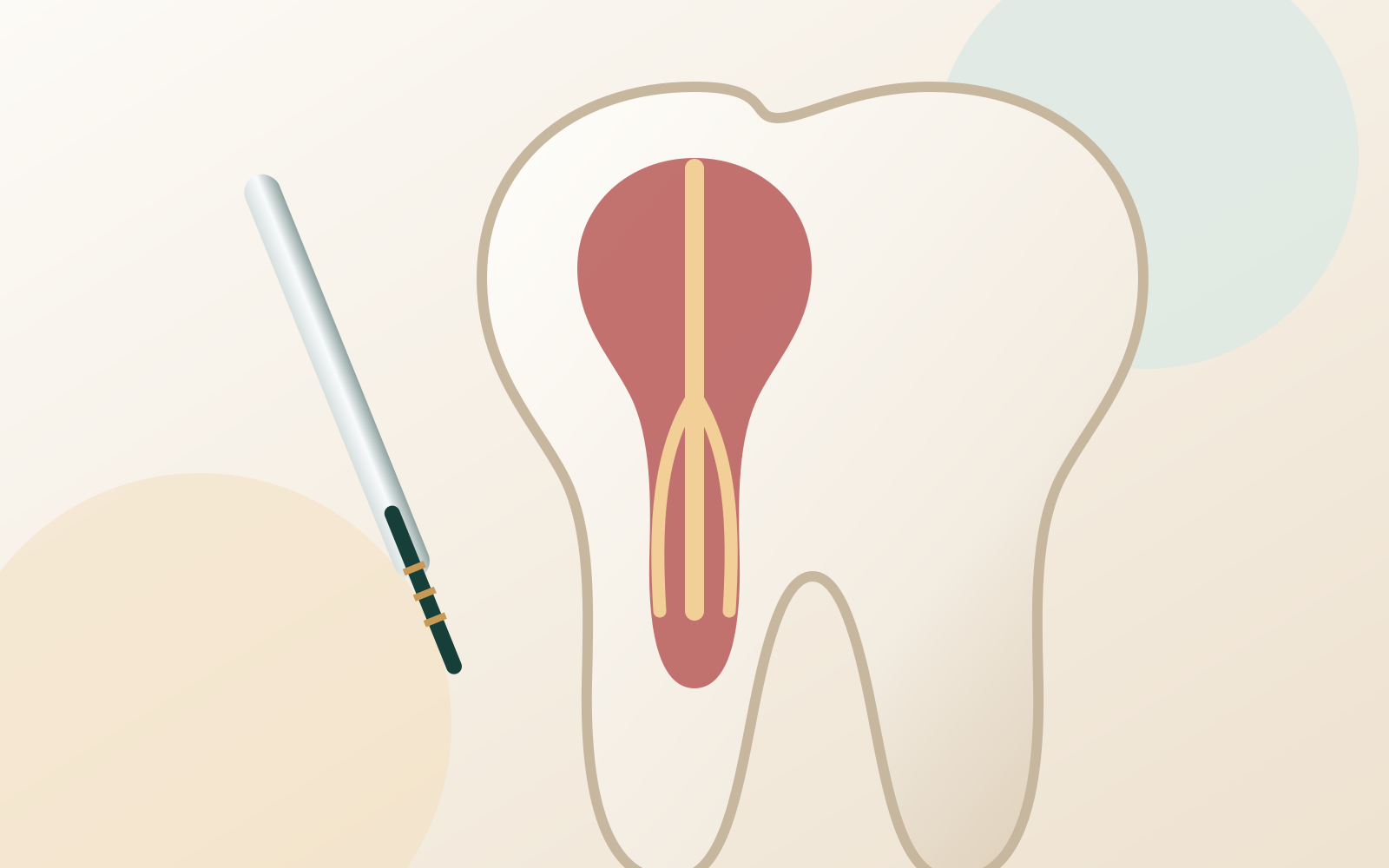
Root canal treatment removes inflamed or infected pulp from inside a tooth, cleans and seals the canals, and aims to preserve the natural tooth when it can be predictably restored. At Al Mairaj Dental & Cosmetics (AMDC) in DHA Lahore, Dr. Shadab Haq assesses the tooth, symptoms, remaining tooth structure and diagnostic imaging where required before confirming the treatment plan.
Female dentist14+ years clinical experienceDHA Phase 3 clinic
Tooth + root assessment first
Root canal is not for every toothacheWe diagnose the cause of pain before deciding whether root canal treatment is appropriate.
Save the toothWhen root canal treatment is clinically appropriate
Local anaesthesiaUsed to numb the tooth during treatment
Final restorationFilling or crown depends on tooth structure and position
DHA Phase 3331-Z, 1st Floor, Lahore
Direct answers first
Root Canal Treatment in Lahore: Cost, Pain, Procedure & Recovery
We keep the key answers together so you can understand the treatment clearly before booking.
What is root canal treatment?
Root canal treatment removes inflamed or infected pulp from inside the tooth, cleans and disinfects the canals, then fills and seals them. The tooth is later restored with a filling or crown depending on how much structure remains.
How do I know if I need a root canal?
Severe biting pain, lingering hot/cold sensitivity, swelling, a gum pimple, deep decay, a crack or a darkened tooth can be warning signs. Symptoms alone cannot confirm the diagnosis; examination and diagnostic tests are needed.
Does a root canal hurt?
Local anaesthesia is used to numb the tooth, and modern root canal treatment is generally intended to relieve the pain caused by inflamed or infected pulp. Mild soreness or tenderness for a few days afterwards can occur.
Can a root canal be completed in one visit?
Some teeth can be treated in one visit, while others need more than one appointment. Tooth anatomy, infection, symptoms, previous treatment and the dentist’s findings determine the number of visits, so treatment may take one or more appointments.
Do I always need a crown after root canal treatment?
No — the final restoration depends on the tooth and how much healthy structure remains. Back teeth often need more protection from chewing forces, while some front teeth may be restored differently after assessment.
How much does root canal treatment cost at AMDC?
We provide a case-specific root canal quote after assessment rather than using one fixed fee for every tooth. We confirm the final quote after assessment because tooth type, canal complexity, first-time treatment versus retreatment and the final restoration can change the plan.
Symptoms are clues — not the diagnosis
How Do You Know If You Need a Root Canal?
A painful tooth can come from decay, a crack, gum disease, an inflamed pulp, infection around the root or another cause. The goal of the first visit is to identify the source before deciding how much treatment is actually needed.
01
Lingering hot or cold sensitivity
Sensitivity that continues after the hot or cold stimulus is removed can be associated with pulp inflammation and deserves assessment.
02
Pain when biting or chewing
Biting pain can come from inflammation around the root, a crack, a high restoration or other problems. Diagnosis matters before treatment.
03
Swelling or a pimple on the gum
Swelling, a gum boil or a bad taste may be associated with dental infection and should be assessed promptly rather than repeatedly masked with painkillers.
04
Deep decay, crack or darkened tooth
Deep cavities, cracks, trauma and repeated dental procedures can damage the pulp even when the tooth does not look severely broken from the outside.
Urgent safety note: if dental swelling is making it difficult to breathe, swallow or speak, or swelling is rapidly spreading around the mouth, face, eye or neck, seek urgent emergency medical care rather than waiting for a routine dental appointment.
Root canal cost in DHA Lahore
Root Canal Cost in Lahore
Root canal fees in Lahore vary widely between clinics because a front tooth, premolar, molar and a previously treated tooth can involve very different anatomy and treatment time. For AMDC, the safe approach is to confirm the fee after the tooth has been assessed rather than copying a market price onto your individual case.
Also ask whether your quote covers only the root canal procedure or whether the final filling, build-up or crown is quoted separately. Your quote will clearly explain what is included and whether a final filling, build-up or crown is priced separately.
AMDC fee guidanceCase-specific quote
The tooth, canal anatomy, infection, previous root-canal history and final restoration can change both the treatment plan and fee.
Which tooth is involved?Front teeth often have simpler anatomy than many molars, but the individual X-ray and canal anatomy matter more than a generic label.
First treatment or retreatment?A tooth that has already had root canal treatment may require a different diagnostic and treatment approach.
What final restoration is needed?We explain whether a filling, core build-up or crown is recommended and whether it is included in your quote.
Choose the treatment that matches the diagnosis
Root Canal vs Filling vs Extraction
These treatments solve different problems. A small cavity should not automatically become a root canal, and a restorable infected tooth should not automatically be extracted simply because it hurts.
When the tooth is not predictably restorable, has severe structural damage, or extraction is otherwise clinically indicated.
Removing a tooth creates a missing-tooth decision afterwards; preserving a restorable natural tooth may avoid that step.
Root canal retreatment
Re-treats a tooth that previously had root canal therapy but has persistent or recurrent disease.
New pain, infection or healing problems in a previously treated tooth after reassessment.
Retreatment is not the same as a first root canal and may be more complex.
Diagnosis before treatment
What Happens Before Root Canal Treatment?
Root canal treatment is a diagnosis-driven procedure. A dentist may combine your symptom history with examination, bite tests, temperature or pulp tests and diagnostic imaging where appropriate to work out whether the pulp is inflamed, infected or already non-vital.
Why no generic before-and-after photo? Root canal outcomes are usually assessed clinically and with diagnostic imaging rather than cosmetic photography. AMDC should only add case imagery here when a verified patient X-ray or clinical case is available.
Can the tooth be restored?Root canal treatment only makes sense when the remaining tooth can be predictably restored and maintained.
Where is the pain really coming from?Referred pain can make the wrong tooth feel responsible. Testing helps avoid treating a tooth simply because it is nearby.
Is this a first treatment or a failed previous root canal?A previously treated tooth with new symptoms needs reassessment for retreatment, fracture or another cause.
What happens after the canals are sealed?The dentist plans the final restoration — a filling, build-up or crown — around tooth position and remaining structure.
What root canal treatment usually involves
How Is Root Canal Treatment Done?
The exact sequence varies by tooth and case. The steps below describe the usual logic of treatment without promising a particular number of visits or a specific technology that has not been confirmed for your case.
01
Examination & diagnostic imaging
The dentist identifies the tooth, checks symptoms and restorability, and uses X-rays or other diagnostic tests when required.
02
Local anaesthesia & access
The tooth is numbed and an opening is made so the inflamed or infected pulp and root canals can be reached.
03
Cleaning, shaping & disinfection
The pulp tissue is removed and the root-canal spaces are cleaned, shaped and disinfected.
04
Filling & sealing the canals
The prepared canals are filled and sealed to reduce the risk of contamination from inside the tooth.
05
Final restoration & follow-up
The tooth is restored with the appropriate filling, build-up or crown and reviewed as advised. Back teeth frequently need more fracture protection than front teeth.
Aftercare & recovery
Root Canal Recovery & Aftercare
The tooth and jaw can feel different for a short time after treatment. The main priorities are protecting the tooth until it is fully restored, following medication instructions and contacting us if symptoms worsen instead of steadily improving.
Numbness wears off first
Wait until the local anaesthetic has worn off before chewing normally so you do not accidentally bite your cheek, lip or tongue.
Mild soreness can happen
Some tenderness for a few days can occur, especially if the tooth was painful or infected before treatment. Follow the dentist’s pain-management advice.
Protect the temporary restoration
If the tooth has a temporary filling or is waiting for a final crown, avoid heavy biting on it until the dentist confirms it is fully restored.
Do not self-start antibiotics
Antibiotics are not a substitute for dental treatment in most localised pulpal/root infections. They are prescribed when clinically indicated, such as selected spreading or systemic infections.
Persistent symptoms need review
Contact us if severe pain or pressure persists, visible swelling develops, your bite feels very uneven, or previous symptoms return.
A treated tooth can need retreatment
A tooth may occasionally develop new disease months or years later. Reassessment can determine whether retreatment or another option is appropriate.
Your dentist at AMDC
Meet Dr. Shadab Haq.
BDS, MDS, C-Ortho, PMDC Verified Dentist, with 14+ years of clinical experience. For dental care, Dr. Shadab Haq provides consultation, diagnosis and treatment planning across AMDC’s core dental services.
BDSMDSC-OrthoPMDC Verified14+ years
Quick tooth-pain consultation request
Tell us what your tooth is doing.
Use the form to prepare a WhatsApp message for Al Mairaj Dental & Cosmetics (AMDC). We can then confirm a suitable appointment time and advise what information to bring.
Clinic331-Z, 1st Floor, DHA Phase 3, Lahore
HoursMon–Sat, 2:00 PM–9:00 PM
Call+92 321 8403832
Prepare your WhatsApp enquiry
Book on WhatsApp
This form prepares your Root Canal Treatment request and opens WhatsApp for you to review before sending.
Answers before your visit
Root Canal FAQs
These answers are general information. The recommendation for an individual tooth depends on examination, imaging and the condition of the tooth.
What is the difference between a root canal and a filling?
A filling repairs a cavity or defect when the pulp does not require endodontic treatment. Root canal treatment treats the pulp and root-canal system when it is irreversibly inflamed, infected or non-vital. The diagnosis decides which is appropriate.
Can antibiotics cure a tooth that needs root canal treatment?
Usually not by themselves. For many localised pulpal and root-related conditions, definitive dental treatment addresses the source. Antibiotics are used when the dentist finds a clinical reason, such as selected spreading infection or systemic involvement.
How many appointments does root canal treatment take?
It depends on the tooth and clinical findings. Some cases can be completed in one appointment, while complex anatomy, infection, symptoms or retreatment can require more than one visit.
Do I need a crown after root canal treatment?
Not every tooth needs the same restoration. Molars and premolars often need stronger cuspal protection because they carry more chewing force, while the best restoration for a front tooth depends on remaining structure and appearance.
Can a root canal-treated tooth last a long time?
Yes. Properly treated and restored teeth can function for many years and sometimes for a lifetime. Longevity depends on the original condition, quality and timing of the final restoration, oral hygiene, decay risk and biting forces.
Why can a tooth hurt again after an old root canal?
A previously treated tooth can develop new disease because of untreated anatomy, leakage, new decay, a delayed or compromised restoration, fracture or other causes. Reassessment determines whether retreatment or another option is appropriate.
Can I eat after root canal treatment?
Wait until numbness has worn off before chewing normally. If a temporary filling is present or the tooth is awaiting a final restoration, avoid heavy biting on that tooth until your dentist says it is protected.
Can I drive home after a root canal?
If only local anaesthesia is used and you otherwise feel well, many patients can drive afterwards. If sedation or medication that causes drowsiness is used, arrange transport and follow the dentist’s instructions.
Is extraction better than root canal treatment?
Neither option is automatically better. If a tooth is restorable, root canal treatment can preserve the natural tooth. If the tooth cannot be predictably restored or has another poor-prognosis problem, extraction may be more appropriate.
When is tooth swelling an emergency?
Seek urgent emergency medical care if swelling is rapidly spreading or causes difficulty breathing, swallowing or speaking, or involves the eye or neck. Routine booking is not appropriate for possible airway-compromising infection.
Ready when you are
Request your appointment without another long form.
Use the WhatsApp form on this page, or the sticky Call and WhatsApp options, to contact AMDC in DHA Phase 3, Lahore.