What is teeth scaling?
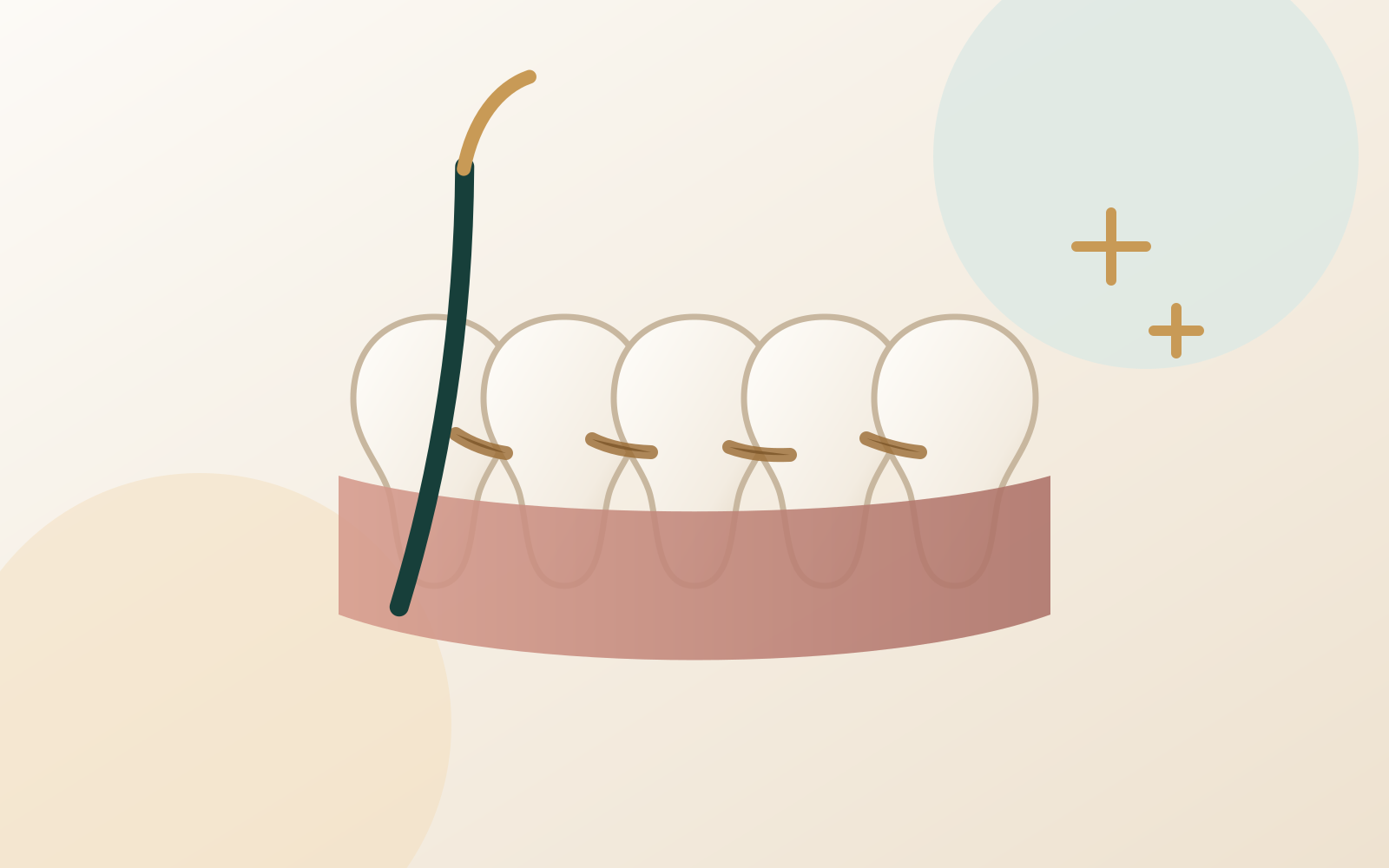
Scaling is professional removal of plaque and hardened calculus (tartar) from tooth surfaces and around the gumline. Once plaque mineralises into tartar, brushing and flossing cannot remove it predictably at home.

Scaling & polishing · DHA Phase 3, Lahore
Scaling removes plaque and hardened tartar that brushing cannot remove once deposits have mineralised; polishing then smooths the tooth surface and can reduce some external stains. At Al Mairaj Dental & Cosmetics (AMDC) in DHA Lahore, the right cleaning plan depends on how much tartar is present, whether the gums are healthy or inflamed, and whether the patient needs routine cleaning or deeper periodontal treatment.
Direct answers first
If you are considering scaling and polishing, the main questions are usually about tartar, bleeding gums, sensitivity, price and whether a deeper periodontal cleaning is needed. We answer the practical questions patients ask before they book: price, tartar, bleeding gums, sensitivity, whitening and whether “deep cleaning” is something different.
Scaling is professional removal of plaque and hardened calculus (tartar) from tooth surfaces and around the gumline. Once plaque mineralises into tartar, brushing and flossing cannot remove it predictably at home.
Our current scaling and polishing range is Rs. 5,000 to Rs. 20,000. The exact quote depends on the amount of plaque/tartar, staining, gum condition and whether routine cleaning or deeper periodontal care is needed.
Scaling and polishing can make teeth look cleaner and brighter by removing plaque, tartar and some external stains, but it does not bleach the natural tooth colour. Patients seeking a lighter intrinsic shade should discuss professional teeth whitening.
Scaling does not loosen healthy teeth. If a tooth feels more mobile after heavy tartar is removed, underlying gum and bone support may already have been compromised by periodontal disease and was partly masked by the deposits.
Inflamed gums often bleed when plaque and tartar are disturbed. Bleeding is a sign to assess gum health rather than a reason to leave deposits in place. Persistent bleeding outside cleaning should also be reviewed.
No. Routine professional cleaning is appropriate for many patients without advanced periodontal pockets. Scaling and root planing is a deeper below-gum treatment used when periodontitis is present and can require more time, local anaesthetic and follow-up.
Common reasons people book professional cleaning
Some patients come because their teeth feel rough or stained. Others notice gum bleeding, bad breath or tartar behind the lower front teeth. These signs overlap with gingivitis and periodontitis, so cleaning should be matched to the gum diagnosis.
Hardened calculus often collects around the gumline and behind lower front teeth. Once mineralised, it requires professional removal.
Plaque-associated gingivitis can make gums inflamed and prone to bleeding. Periodontal assessment helps determine whether routine cleaning is enough.
Polishing can reduce many external surface stains. Deep or intrinsic colour changes need a different cosmetic plan.
Plaque and gum inflammation can contribute to oral odour, but bad breath also has other dental and medical causes. A cleaning visit can help identify local oral contributors.
Teeth scaling price in DHA Lahore
The range is broader than some Lahore listings because cleaning needs are not identical. A regular maintenance clean with light deposits is different from a patient with years of tartar, heavy external staining or active periodontal disease.
We confirm your exact quote after a gum and deposit assessment. Deep root planing, local anaesthetic, periodontal charting, medication or other periodontal care is not automatically included in every routine scaling fee. We will explain any additional treatment before proceeding.
Final cost depends on deposit level, staining, gum condition and the type of cleaning clinically required.
Know which “cleaning” you actually need
These treatments are often confused with one another, but they solve different problems. Diagnosis matters more than choosing a package name.
| Treatment | Main purpose | Where it works | Important difference |
|---|---|---|---|
| Routine scaling & polishing | Remove plaque, tartar and many surface stains | Tooth surfaces and around the gumline in patients without advanced periodontal pockets | Preventive / maintenance cleaning; not a bleaching treatment. |
| Scaling & root planing | Treat periodontal deposits below the gumline and diseased root surfaces | Deeper periodontal pockets in periodontitis | May require local anaesthetic, more time and periodontal follow-up. |
| Polishing | Smooth surfaces and reduce selected external stains after deposits are removed | Accessible tooth surfaces | Does not remove deep/intrinsic discoloration or change the natural internal tooth colour. |
| Professional whitening | Lighten natural tooth shade using bleaching agents | Natural tooth structure after suitability assessment | Cosmetic colour change. See AMDC teeth whitening for whitening-specific pricing and suitability. |
The biggest scaling myths
Heavy tartar can physically fill spaces around teeth and hide gum recession. After it is removed, patients sometimes notice spaces, root surfaces or mobility that were already present because of gum disease. The cleaning reveals the true condition; it does not create the underlying bone loss.
What happens during a cleaning visit
Appointment time varies with gum health, deposit level, periodontal findings, sensitivity and patient comfort.
The dentist assesses plaque/tartar distribution, gum inflammation and whether deeper periodontal pocketing is suspected.
Professional scaling instruments are used to remove deposits from accessible tooth and gumline surfaces. The technique may combine powered and hand instruments depending on the case.
If periodontal disease is diagnosed, treatment may extend below the gumline with scaling and root planing rather than routine prophylaxis alone.
Polishing can smooth the cleaned surfaces and reduce many external stains after deposits have been removed.
The recommended cleaning interval depends on gum health, oral hygiene, tobacco use, braces, previous periodontal disease and how quickly deposits return — it is not automatically the same for every patient.
After scaling & polishing
Some mouths feel immediately fresh; others have temporary sensitivity or gum tenderness, especially when heavy tartar or inflamed tissues were present. Your dentist’s instructions take priority if deeper periodontal treatment was performed.
Cold sensitivity can occur after deposits are removed, particularly where recession or previously covered root surfaces are exposed. It should generally improve rather than progressively worsen.
Inflamed gums can remain tender or bleed lightly after cleaning. Persistent, heavy or worsening bleeding should be reviewed.
Stopping oral hygiene because the gums are tender allows plaque to rebuild. Use a soft toothbrush and clean between teeth using the method recommended for your gum condition.
Tea, coffee, tobacco and plaque can restain tooth surfaces. Polishing removes existing surface stain; it does not permanently prevent new stain formation.
Preventive dental care is considered safe during pregnancy, and pregnancy-related gingivitis is common. Tell us if you are pregnant so we can discuss any individual medical considerations.
Some patients do well with regular maintenance visits; active gum disease or heavy tartar may require shorter recall. The interval should be based on risk rather than a one-size-fits-all promise.
Your dentist at AMDC
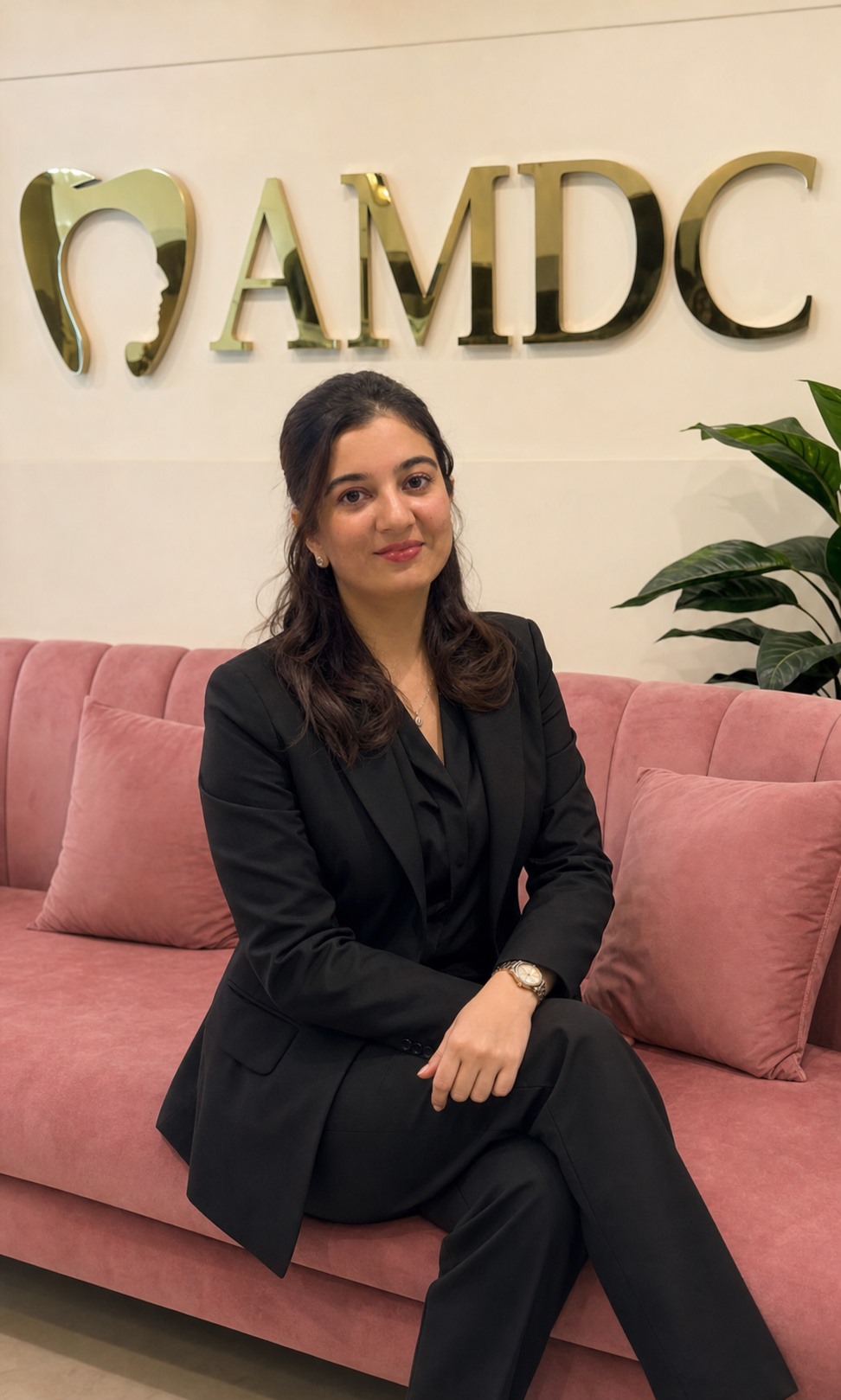
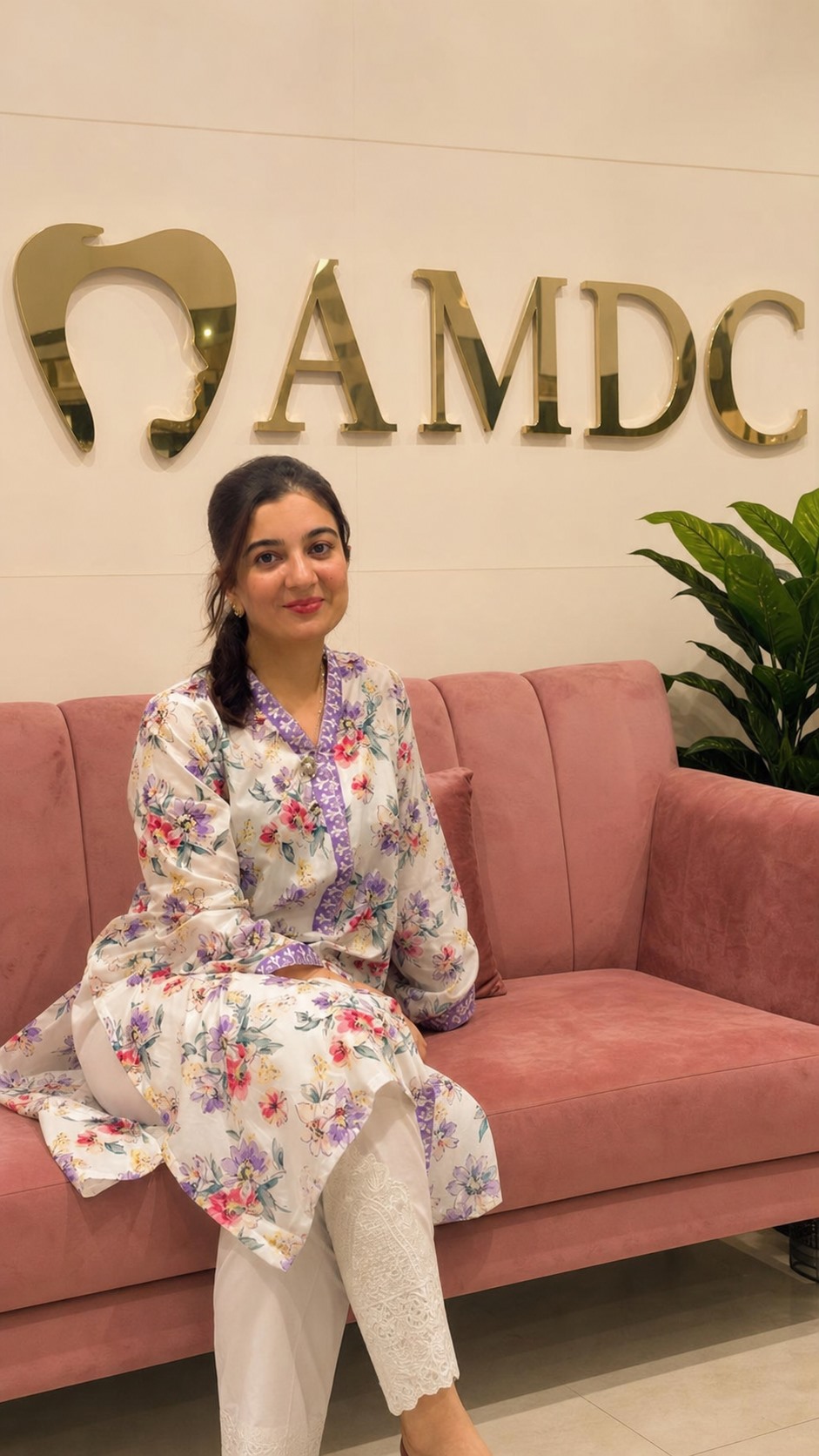
BDS, MDS, C-Ortho, PMDC Verified Dentist, with 14+ years of clinical experience. For dental care, Dr. Shadab Haq provides consultation, diagnosis and treatment planning across AMDC’s core dental services.
Quick teeth-cleaning request
Use the form to prepare a WhatsApp message for Al Mairaj Dental & Cosmetics (AMDC). You do not need to know whether you need routine scaling, polishing or deeper gum treatment before booking the assessment.
Prepare your WhatsApp enquiry
This form prepares your Scaling & Polishing request and opens WhatsApp for you to review before sending.
Answers before your cleaning visit
These answers are general information. Gum pocket depth, tartar level, recession, braces, pregnancy, smoking and previous periodontal disease can change the cleaning plan.
Message us on WhatsAppOur current scaling and polishing range is Rs. 5,000 to Rs. 20,000. The exact quote depends on plaque/tartar buildup, staining, gum health and whether routine cleaning or deeper periodontal care is required.
Professional scaling is intended to remove plaque and calculus from tooth surfaces, not healthy enamel. Correct instrument choice and technique matter. Temporary sensitivity after heavy deposit removal does not mean the enamel has been intentionally removed.
Scaling does not create periodontal bone loss. Heavy tartar can mask spaces, recession and mobility that are already present. Once deposits are removed, the true gum and tooth-support condition can become more noticeable.
It can make teeth look cleaner and brighter by removing tartar and many external surface stains. It does not bleach the intrinsic colour of natural teeth. Professional whitening is a separate treatment.
Routine professional cleaning removes deposits in patients who do not need periodontal root-surface therapy. Scaling and root planing is a deeper treatment below the gumline for periodontitis and may require anaesthetic, more time and follow-up.
Plaque-related inflammation commonly makes gums bleed during brushing, flossing or professional cleaning. Persistent bleeding should be assessed because it may indicate gingivitis or periodontitis.
Recall intervals vary with gum health, oral hygiene, smoking, braces, previous periodontal disease, diabetes and how quickly deposits return. Your dentist can recommend the interval after assessment.
Preventive dental care is considered safe during pregnancy, and periodontal treatment can be provided when needed. Tell us if you are pregnant so we can discuss any high-risk pregnancy or medical considerations.
In most routine cases you can eat when comfortable, but very hot, cold or staining foods may feel less pleasant if the teeth or gums are temporarily sensitive. Follow any specific instructions given after your treatment.
When heavy tartar is removed, previously covered root surfaces or areas of recession may become exposed to temperature again. Mild temporary sensitivity can occur; persistent or severe pain should be reviewed.
If plaque, tartar or significant surface stain is present, cleaning first can give the dentist a clearer view of the natural tooth surface and gum condition before whitening suitability is assessed. The final sequence depends on your mouth.
Ready when you are
Use the WhatsApp form on this page, or the sticky Call and WhatsApp options, to contact AMDC in DHA Phase 3, Lahore.